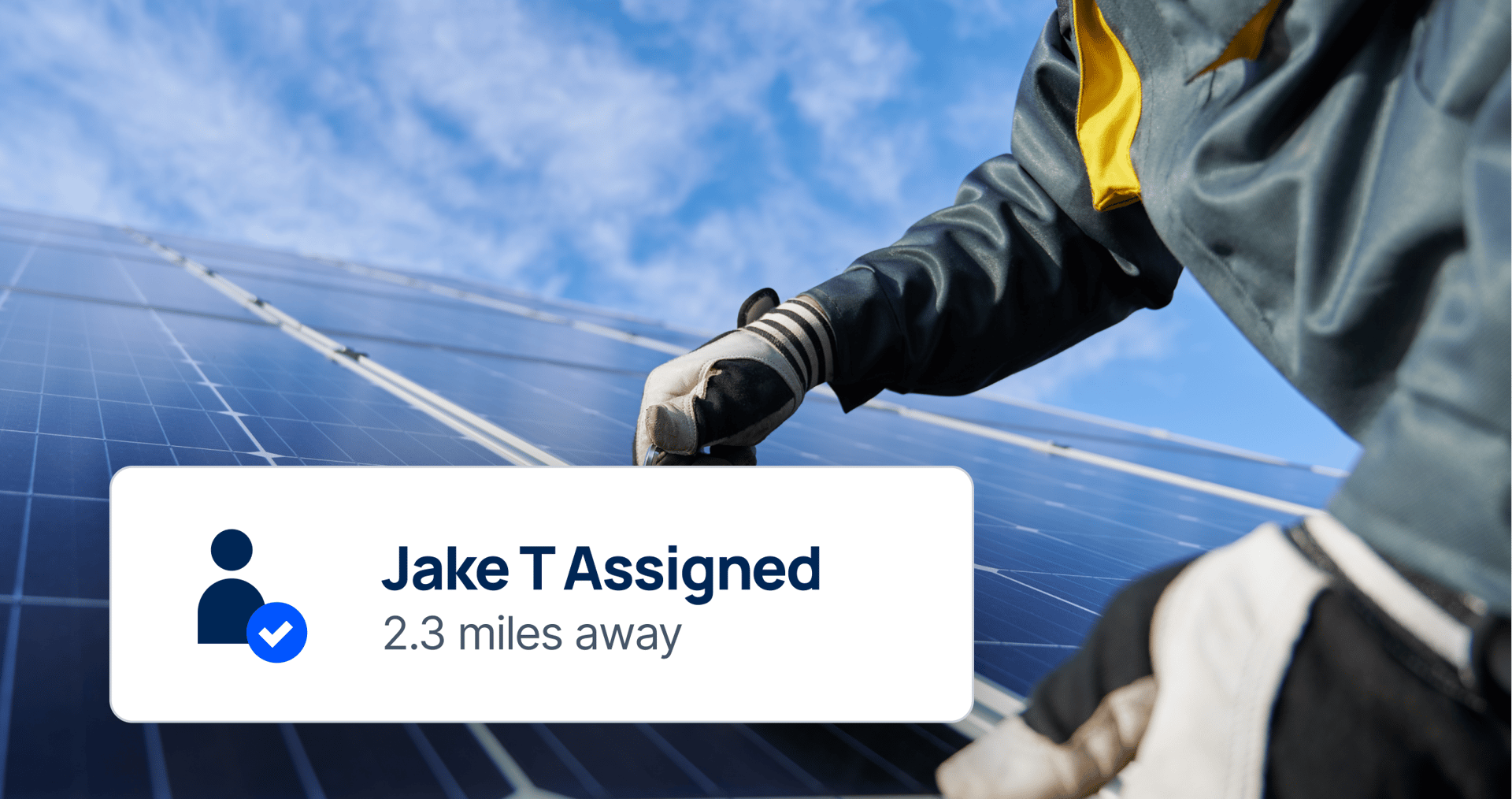
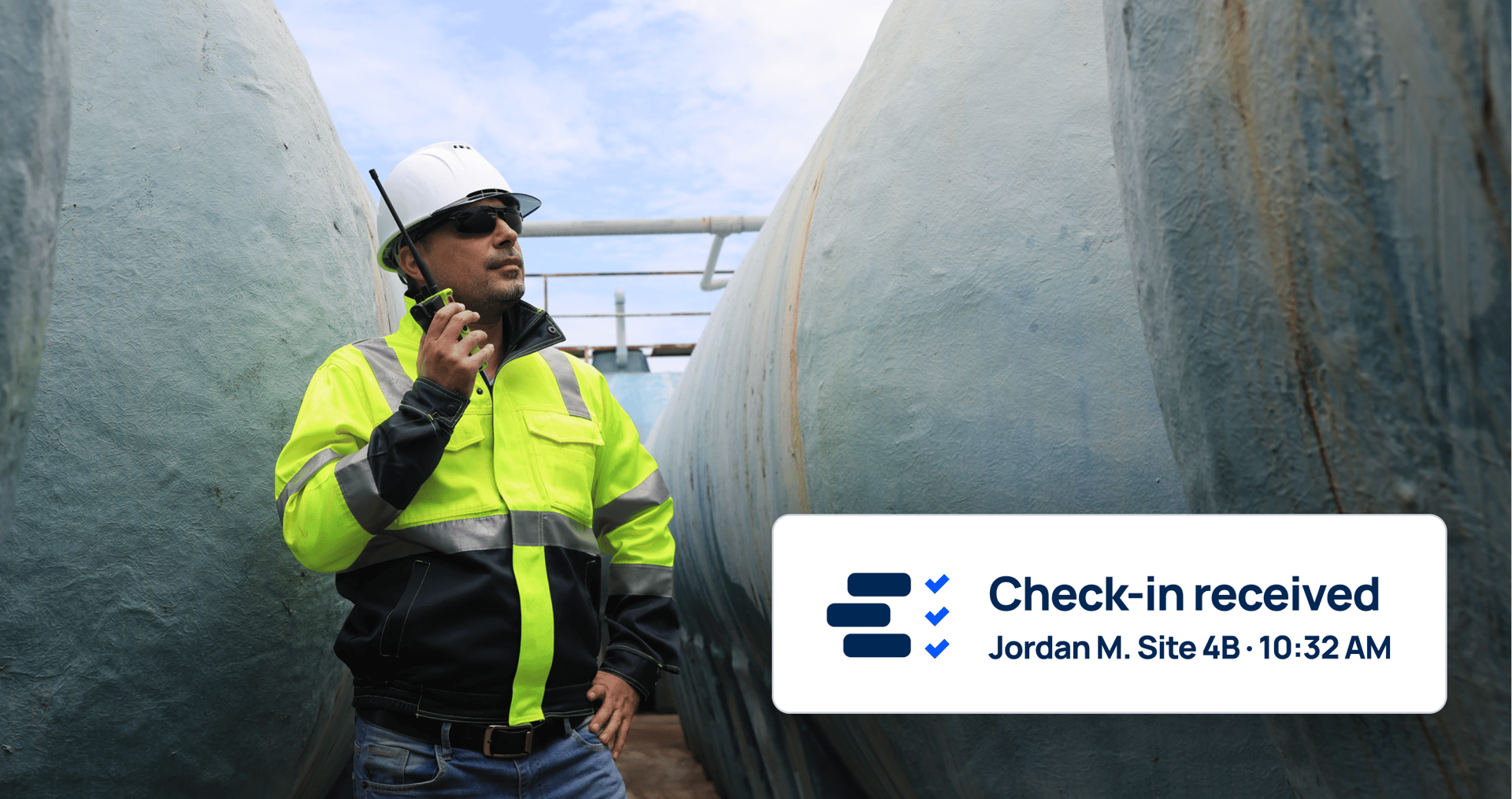
Lone workers are staff who operate without the close supervision of managers or the physical proximity of coworkers.
Roles for lone workers exist in nearly every major industry—there are an estimated 53 million working in North America and 8 million in the UK. Their work sites vary: some constantly travel to different mobile work locations, some perform work along established routes, and others work alone at fixed locations or facilities.
Skilled maintenance workers make up a little more than half of lone workers across a range of residential and commercial industries, including transportation, janitorial services, pest control, landscaping, security, delivery, construction, agriculture, and utilities/telecom.
Healthcare is another growing area for lone working: consider mobile health workers like home hospice nurses, traveling physical or occupational therapists, or technicians who set up and service home healthcare equipment.
When defining “lone workers” within your organization, however, it’s important to note:
- Not all frontline workers are lone workers: Because they have the benefit of proximal colleagues to provide assistance and increase safety, field service teams and crews of frontline workers are distinct from lone workers.
- Not all lone workers are frontline workers: Remote employees who work from home, employees who travel by themselves during work hours, solo workers with atypical schedules, or workers who complete tasks in public (but away from their teams) are considered lone workers.
In fact, an estimated 20% of employees experience “lone working” at some point during the day. It’s up to employers to create robust safety cultures that onboard, train, and continuously protect lone workers through policies and procedures designed to minimize risk and maximize productivity.
The risks of lone working
Because they don’t have the same immediate access to support that team-based workers do, lone workers face significant risks in their work.
Risks to physical safety: the accidental or intentionally harmful acts of others, the working environment, travel to and from work sites, or the nature of the work itself can pose a danger to the physical well-being of lone workers, including permanent injury or fatality.
Examples: explosions, vehicle accidents, fatal exposure to biological, environmental, or ergonomic hazards, workplace violence (physical or verbal), fire, equipment malfunction, working at height, slip and fall
Risks to mental health: the social isolation and lack of immediate support inherent in lone working environments impact a lone worker’s emotional well-being, sense of safety at work, and job satisfaction or trust in their employer, all of which have documented physical health consequences at rates higher than those of team-based workers.
Examples: increased stress, anxiety, depression, heart disease, stroke, diabetes, dementia, substance abuse, and suicide
Risks to productivity and efficiency: without immediate, physical supervision, lone workers may face delays or difficulties in troubleshooting or resolving unexpected challenges, reporting safety issues, or keeping supervisors or colleagues aware of their location or progress.
Examples: inability to accurately determine safety best practices in unique work conditions, inability to complete work without “second opinion”, inability to access technical support or guidance, delays due to travel conditions
Lone workers report feeling more pressure regarding safety than other workers. They have a higher likelihood of illness and more frequently lack social support due to the physical demands and mental stress of their work. Unsurprisingly, a 2024 survey of lone workers found that safety training, mental health support, and personal protective equipment (PPE) are the top three of nine key areas where they most need employer support.
Lone worker safety is a critical business priority. If an employee is out of the immediate sight and support of a manager or colleagues, there are risks to health, safety, and productivity.
Lone worker safety is also a matter of law: in the US, it is part of an employer’s mandated Duty of Care. In Canada and the UK, there are specific definitions and expectations of safety for lone workers. In addition to the costs and liabilities associated with failing to meet regulatory requirements, employers who don’t adequately protect lone workers jeopardize their organizations' productivity and profitability and can do irreparable harm to their brand reputation.
Four ways to improve lone worker safety
Employers can mitigate the risks lone workers face and empower them to be as safe, productive, and satisfied as possible in their work. Action steps include developing lone worker safety policies and procedures, implementing frontline worker technology, and developing robust onboarding and training, including emergency protocols and safety best practices.
1. Create a lone worker safety policy
Start with a working alone risk assessment. This document maps all possible safety risks, from the individual worker to the full scope of their potential work activities and environments. A typical assessment will include:
- Documentation and confirmation of the lone worker’s medical fitness, supervision, training, and competency
- Details and images of the work site’s access, security, emergency warning systems, first aid availability, and physical welfare (climate control, lighting, plumbing)
- Description and imagery of the work process’s potential hazards
- Prescriptive guidance about safety measures that can be taken when working alone
With a complete picture of the risks a lone worker may face, employers can implement a hierarchy of controls that further mitigate potential harm. They can choose mobile workforce management technologies that best support lone worker safety, are easy for those workers to adopt and trust, and generate data to enable continuous improvement of lone working policies.
2. Implement the right technology and tools
Technology bridges critical gaps between employers and lone workers. Workforce software eases scheduling, communication, support, and much more. Mobile workforce management platforms can consistently verify worker and customer safety, provide real-time troubleshooting, and support regulatory safety compliance without complicating a lone worker’s workflow. The ideal tool is an easy-to-use app built for mobile work that includes:
- GPS tracking, route optimization, and location monitoring to ensure worker safety in-transit and on-site
- Real-time communication and job updates between field workers and supervisors
- Shared access to safety resources like instructions, equipment manuals, risk assessments, checklists, and SOPs
- Secure data capture for images, documents, and signatures
- Access to CRM data, job details, and key functions, even when offline
Frontline worker technology is about more than just efficiency and productivity—it’s a strategic safety tool that protects lone workers and the organizations they serve. When a lone worker is empowered with this kind of user-friendly tech, they can focus on doing their best work safely, delighting customers, and driving revenue.
Get more like this in your inbox.
New posts on scheduling, field work, and what we're shipping next. Sent when we publish. Nothing else.

Real operational insight
What's changing in the industry
New features as we ship them
3. Create communication routines and emergency procedures
A meaningful culture of safety fosters communication: supervisors need more than just location monitoring to keep lone workers safe. In fact, 75% of field service providers tell Skedulo that they want to improve communication with their mobile workers. Proactively establishing routine communications with lone workers through wearable tech, employee safety devices, or radios helps supervisors promptly recognize safety concerns.
Lone workers need fast, easy ways to summon help and share their location in an emergency. In addition to equipping them with such tools, employers must ensure lone workers are appropriately trained to respond to hazards in the field.
4. Provide excellent onboarding and continuous training
Lone worker safety starts at the point of hire: before ever taking an assignment, they must be educated on safety hazards and best practices for managing them. They must understand all regulatory safety requirements and standard operating procedures, and be well-trained in job site safety routines and emergency procedures.
Safety training should not be exclusive to onboarding. Expectations for communication and safety best practices must be continuously reinforced and coached. This empowers lone workers and their supervisors to correctly implement safety best practices in new or unique situations. Adoption and proficiency with mobile workforce management tools help lone workers follow safety procedures on the job site.
Service delivery challenges for lone workers
Even the most robust onboarding process can’t account for every possible situation a lone worker may encounter in the field. Once they’re on assignment, lone workers don’t have the benefit of in-person colleagues to troubleshoot with, nor do they necessarily have immediate access to supervisors or subject matter experts when they need advice.
Set your lone workers up to safely deliver excellent service
Strategic field service management is a complex responsibility that is only getting more challenging as customer expectations increase. By prioritizing the safety of lone workers, employers can deliver more consistently outstanding client experiences.
- Equip lone workers with everything they need to stay safe: Ensure everyone in your mobile workforce has real-time access to technical guidance, safety checklists, and standard operating procedures, regardless of connectivity. They should be able to communicate directly and immediately with a supervisor or colleague if they need a second opinion or subject matter expertise.
- Streamline customer interactions so lone workers can focus on service delivery: Use intelligent job matching to accurately assign workers to jobs the first time (reducing unnecessary follow-up visits). AI-assisted smart scheduling factors in historical data to ensure workers arrive on time and have enough time to complete their assignments. Replace messy, error-prone manual processes, such as paper forms, with secure digital customer data capture methods. Sync service data across these platforms to improve billing accuracy and invoicing, speed up payments, and reduce gaps between service and follow-up contact.
- Provide effective supervision to proactively protect lone workers: Risk assessments that document specific health and safety hazards will help determine the support lone workers need to stay safe. Support should include consistent communications such as site visits, text messages, scheduled calls, and regular 1:1 or team meetings. The same tech that frontline workers rely on can also be used by leaders, dispatchers, and customer service teams to support every step of the workflow with real-time updates, location monitoring, and responsive communication.
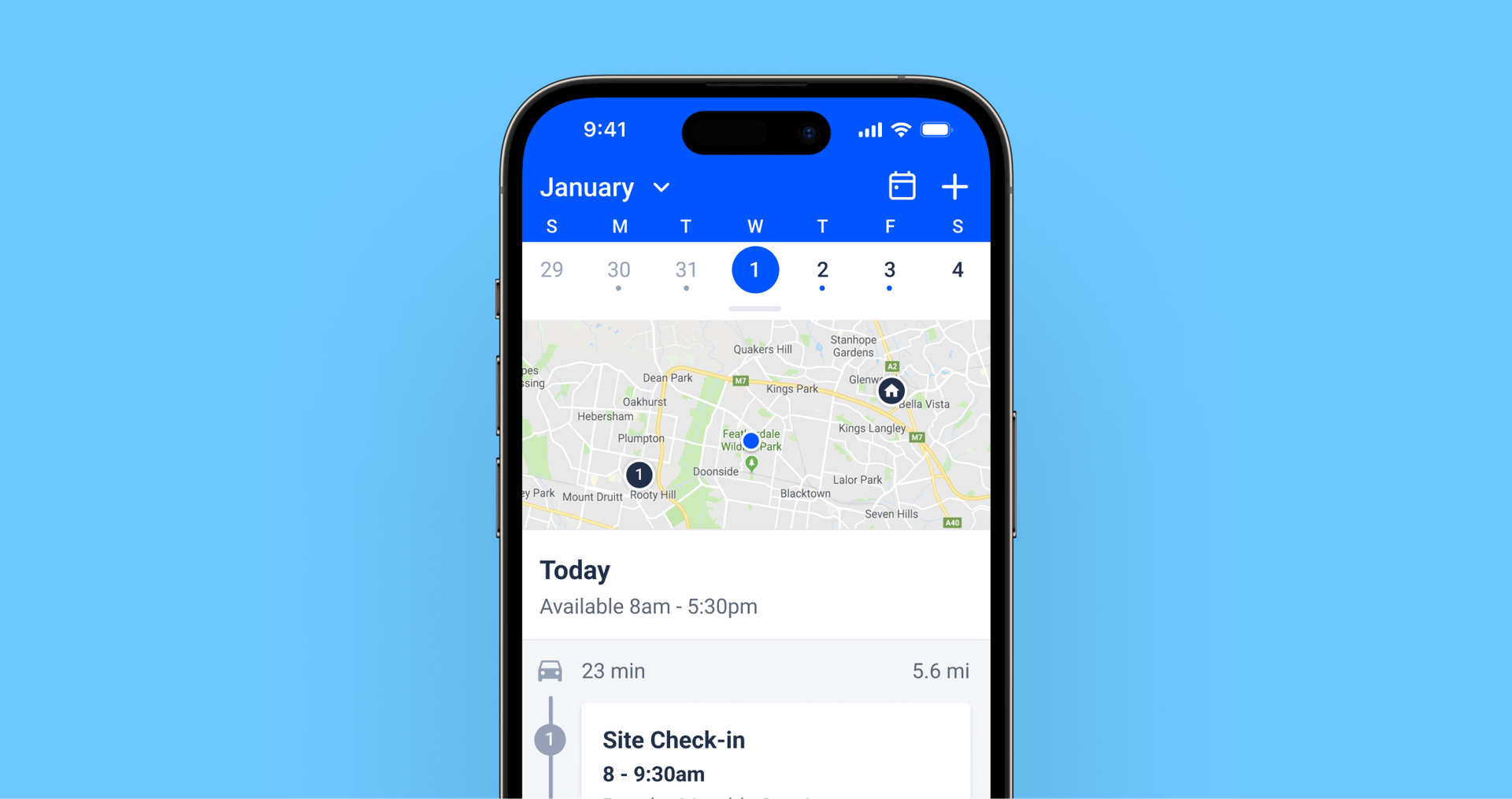
Mobile-first technology that protects lone workers
Skedulo is built for frontline workers and the nature of mobile work. Skedulo offers access, real-time communication, AI-assisted scheduling and route optimization, and seamless integration with existing office workflows. It’s interoperable with existing platforms like HR, CRM, and ERP, so it can factor in worker, customer, and job data, along with historic information and real-time conditions.
Skedulo is customizable to your organization's unique safety considerations. The Lone Worker Risk Check-in uses timed alerts to confirm an employee's safety during potentially dangerous work, automatically notifying a supervisor or dispatcher if the worker cannot check in. At the main office, schedulers can customize the alert schedule, designate response strategies, flag potentially risky jobs, and create repeatable action plans accounting for service type, job location, and the data needed to respond appropriately.
Learn more about how Skedulo drives efficiency and safety for large workforces in high-risk jobs.
Get more like this in your inbox.
New posts on scheduling, field work, and what we're shipping next. Sent when we publish. Nothing else.
Real operational insight
What's changing in the industry
New features as we ship them