The Productivity Pinch is a national puzzle, and the prize for figuring it out is survival. While healthcare costs and outcome expectations are rising, budgets and office staffing numbers are shrinking.
Patients demand better in-home care using the latest advances medical technology while the administrative burden of scheduling mobile caregivers has grown incredibly complex.
The Productivity Pinch is creating a new set of winners and losers in the evolving healthcare economy. Here’s a closer look at what the winners are doing.
New Tech and Ancient Tools
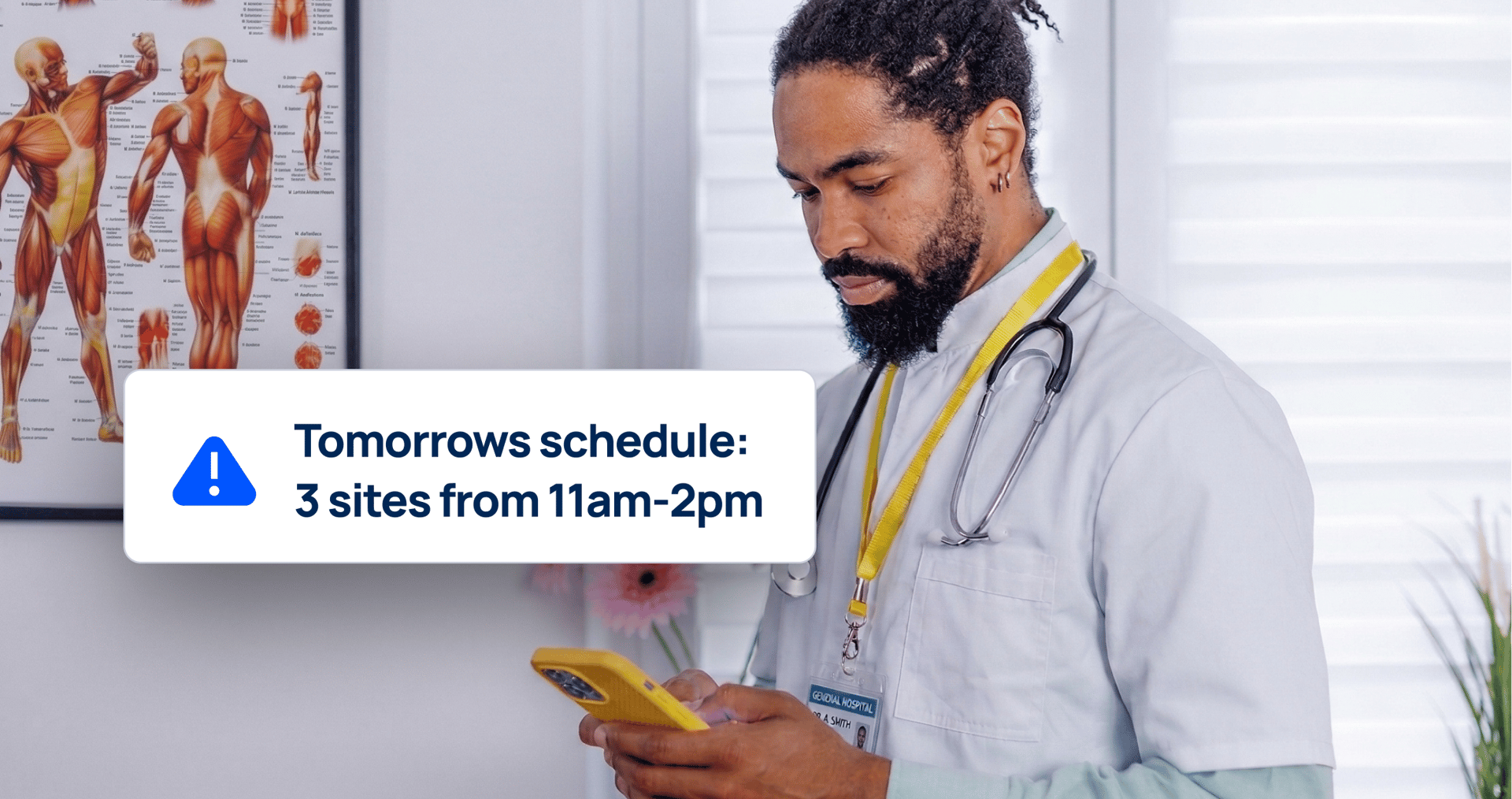
It seems like an astounding bit of irony that while healthcare technology rockets into the future, with trends like nanodevices and cloud-based diagnosis teams, healthcare admins are still stuck with scheduling their mobile work teams on paper, on a whiteboard or on technology from last century like Excel.
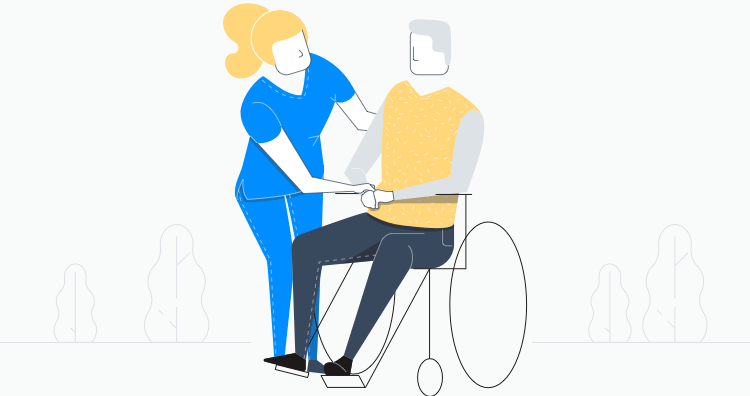
Manual scheduling methods may have been serviceable when healthcare was delivered in a single, central location, but that’s not how things works anymore. More and more healthcare organizations are bringing back the house call. In-home care is needed for:
- Age-in-place initiatives that preference elder care in their own homes
- Physical and occupational therapy for people of all ages
- The huge uptick in out-patient care in order to control hospital costs
- Offering family and friends a bigger role in recovery
- Improving wellness outcomes due to lower stress levels
During this turbulent period of transformation, organizations that excel at managing in-home care for more patients, and make that happen at lower costs, are coming out on top.
The problem goes far beyond the already daunting task of finding optimal schedules and routes. Organizations also need to think about prioritizing the safety of their healthcare workers, contractors, and patients. They also need to assuring industry watchdogs that these contractors maintain patient PII in a channel compliant with HIPAA, PHI, ePHI, HITECH and other regulatory programs.
In addition, there’s really no time for anything but the smartest communication platform that can instantly keep everyone informed and on track. You have to be able to know where your workers are at any moment and send them the information they need in time to make a difference.
Shhhhhh! The 5 Secrets
The five secrets that winners in the industry already know are:
- Manual scheduling and routing don’t work anymore. The modern mobile field organization demands automated apps to keep processes running professionally and smoothly.
- Patient experience matters. Matching up the perfect practitioner for the right patient is extremely complicated, but success at tasks like these tend to make all the difference in public perception of the organization.
- Take care of the caregivers. Burnout and turnover in healthcare is costing the industry $5 billion each year. Give healthcare workers the technological support they need to succeed.
- Data bottlenecks contribute to rising costs. Overstaffing and understaffing both bring heavy costs. Inefficiencies in the administrative end of the office and roadblocks in invoicing will slow your growth. Solve these issues ASAP.
- Fixing all of this is not as hard as most people think. Practical solutions are on the market, easy to access, and relatively inexpensive. Just knowing where to find them puts you years ahead of your competitors.
Once you get all the details on these secrets, it will be no mystery how industry leaders are able to deliver better quality in-home healthcare while they tighten cost controls.
Download our ebook 5 Secrets to Better Scheduling of Mobile Workers for In-Home Healthcare. It’s packed with statistics, forecasting, and actionable advice on how to make the best use of the new technology. Your organization will learn the secrets to operating a major field operation with a minimal staff.